Reaction Time vs Response Time: Are They the Same?
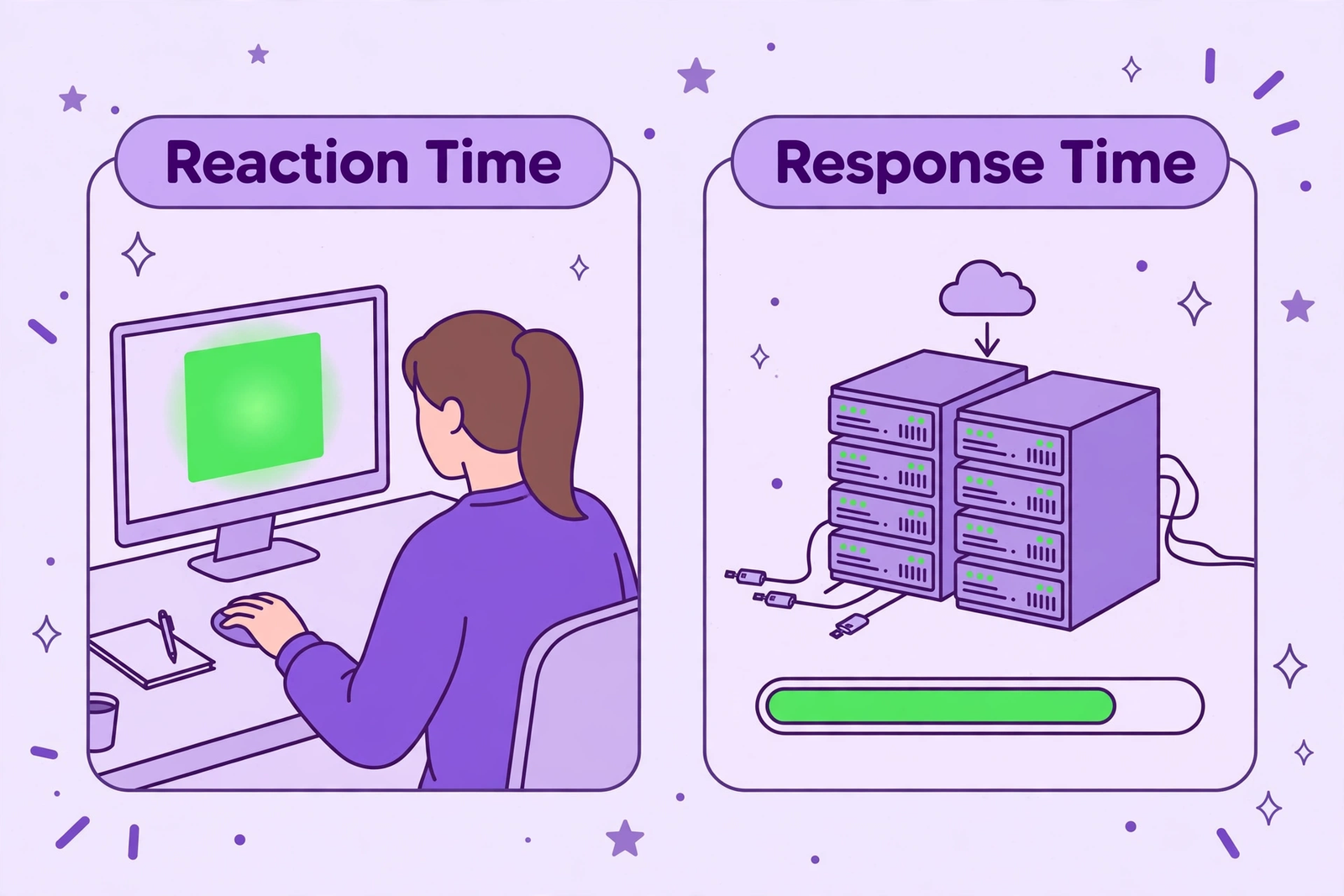
Table of Contents
- What Reaction Time Means for a Person
- A Person Notices, Decides, and Moves
- Sport Shows the Human Term Clearly
- Everyday Moments That Fit the Human Term
- What Response Time Means for a System
- A System Receives Input and Returns Output
- What a Technical Manual Means by This Term
- Queues, Loading, and Delivery Inside a System
- The User Waits While the System Answers
- Why Search Results Mix the Two
- The Broad Word Speed Hides the Actor
- Context Clues in Titles and Openings
- Verbs That Reveal the Answering Subject
- How a Person and a Device Wait Differently
- How Mixed Results Shape What Readers Believe
- Choosing the Right Term for Your Question
- Name the Answering Subject First
- Test Your Sentence by Swapping the Actor
- Frequently Asked Questions
- How can I tell whether an article is about human reaction or system response?
- Why do search results show both terms for one question about speed?
- Does response time ever describe a person in careful writing?
- Can one article discuss both human reaction and system response fairly?
- What should I check first when advice about speed seems unclear?
You may search for quick answers and find two similar phrases used for people, websites, and devices alike. One article talks about a person noticing a signal, while another talks about a system answering a request. Without a clear subject, it is hard to tell which phrase fits your question or which advice applies to you.
This article separates human reaction time from system response time by naming the actor in each case. You will learn how each term is used, why search results mix them, and how context reveals the right term. That distinction will help you read articles accurately and choose advice that matches your own question.
What Reaction Time Means for a Person
A Person Notices, Decides, and Moves
Reaction time centres on a living person who receives a signal and then moves in answer. The person might see a light change, hear a sound begin, or feel a touch that calls for action. The measured gap covers noticing, deciding, and motor response as one connected human sequence in time.
This term fits situations where the body and mind clearly do the work involved in answering. Driving, sport, and simple click tasks all depend on a person responding to something nearby. The focus stays on human perception, mental processing, and physical movement working together in order.
A visual click task offers a clear example of the human term in everyday use and discussion. The person watches for a colour change, recognises it as the signal, and clicks as soon as possible. The result reflects the whole human chain from signal to movement in one moment.
Sport Shows the Human Term Clearly
A coach uses reaction time for an athlete who notices a signal and moves in response. The signal might be a starting sound, a ball movement, or an opponent changing direction suddenly. Timing covers noticing, deciding, and moving as one connected athletic sequence in time.
Coaches talk about readiness, because an athlete waits in a prepared body position. They also talk about attention, because a distracted athlete notices the signal later. Those coaching words point clearly to a person, not to a server or a device.
Sport advice therefore focuses on practice, focus, and movement rather than loading speed. A reader seeking sport help should ignore system advice that appears beside it online. Matching the advice to the actor keeps training guidance useful and clearly relevant.
Everyday Moments That Fit the Human Term
Human reaction time also appears in driving, where a driver brakes after a brake light ahead. The driver notices the light, decides that braking is needed, and moves a foot to the pedal. Each step belongs to the person, so the whole gap stays a human measurement.
Some writers even say human response time when they mean a person answering quickly. That wording is loose, because the answering actor is a person rather than a system. In careful writing, the human term names the person and avoids confusion with system answering.
A game player waiting for a colour change gives another everyday example of human answering. The player watches the screen, recognises the signal, and presses a key without delay. No server or program does the answering there, because the person alone acts.
What Response Time Means for a System
A System Receives Input and Returns Output
The system term centres on a machine that receives an input and then produces an output. That system might be a website answering a request, a device processing a command, or a program returning a result. The delay covers the work the system must do before its answer becomes available to the user.
This distinction matters because systems and people fail, wait, and work in quite different ways. A system may queue requests, load data, or wait for another service before it can answer at all. A person may lose attention, hesitate over a choice, or move more slowly for physical reasons instead.
A careful writer therefore names the system whenever the system term is used in a technical passage. Naming the system removes doubt about whether a person or a machine is being described there. It also helps search readers judge whether the article matches the question they actually asked.
What a Technical Manual Means by This Term
A technical manual uses the system term for a machine that receives input and returns output. The manual usually names the system, the request, and the point where timing stops. That precision lets engineers compare systems without confusing them with human performance.
Manuals may break system answering into stages, such as queuing, processing, and delivery. Each stage belongs to the system, not to the attention or muscles of a person. Readers who notice those stage names can confirm they are on a technical topic.
If a manual mentions a user, it usually means the user waits for the system answer. The user remains the waiter in that sentence, not the actor producing the answer. That small distinction keeps technical reading accurate and prevents crossed advice.
Queues, Loading, and Delivery Inside a System
System response time covers every stage from the arrival of a request to the delivery of an answer. A request may first sit in a processing queue while earlier work finishes ahead of it. Only after queuing does the system load data, run its steps, and prepare the answer.
Loading speed therefore shapes system answering, because heavy data takes longer to fetch and prepare. A slow connection can also stretch delivery, even when the system itself works quickly. Each of those causes belongs to the machine, so fixing them means changing the system itself.
Engineers measure those stages separately, because one slow stage can hide behind a single total. A long queue points to heavy demand, while slow loading points to data or connection limits. Naming the slow stage leads to the right fix instead of a guess about the whole system.
The User Waits While the System Answers
User input starts system answering, because a tap or a typed request enters the machine first. The person then waits, while the system queues, processes, and delivers the answer in turn. Here the answering subject is the system, even though a person began the exchange.
That reversal confuses readers, because the waiting person feels like the one who answered. In truth, the person only asked, while the system did the work of answering the request. Keeping waiter and answerer apart prevents advice meant for machines reaching human readers.
A page that loads slowly needs lighter data or fewer requests, not rest or practice. A person who answers slowly needs focus or rest, not a stronger connection or lighter data. The fix follows the actor, so naming the actor correctly matters more than it first seems.
Why Search Results Mix the Two
The Broad Word Speed Hides the Actor
Speed is a broad everyday word, so readers use it for people, websites, and devices alike. That breadth hides the actor, which is the very detail that separates the two terms. A headline about speed alone therefore leaves the reader guessing about the subject.
Writers often shorten a longer idea into one word, and that shortening removes useful context. Readers then fill the gap with their own question, which may point to a different subject. Naming the actor early prevents that guesswork and keeps the article on its intended topic.
Confusion grows when both meanings appear on one results page without clear labels. A reader may open a technical page while seeking human advice, or the reverse. Clear subjects in titles and openings reduce that waste and improve the reading experience.
Context Clues in Titles and Openings
Context gives the strongest clue about which term fits a particular sentence or article section. A passage about eyes, attention, and hand movement clearly belongs to the human side. A passage about requests, processing queues, and delivery belongs to the system side instead.
Titles carry the same clue, because a title that names a person sets human expectations. A title that names a server or a page sets system expectations before reading begins. Reading the opening lines with that clue saves time and prevents a wrong article choice.
Openings that name no actor leave readers to guess, and guesses often follow their own question. A guess that points to the wrong subject sends readers toward advice they cannot use. Strong openings therefore name the actor before any advice or measurement appears.
Verbs That Reveal the Answering Subject
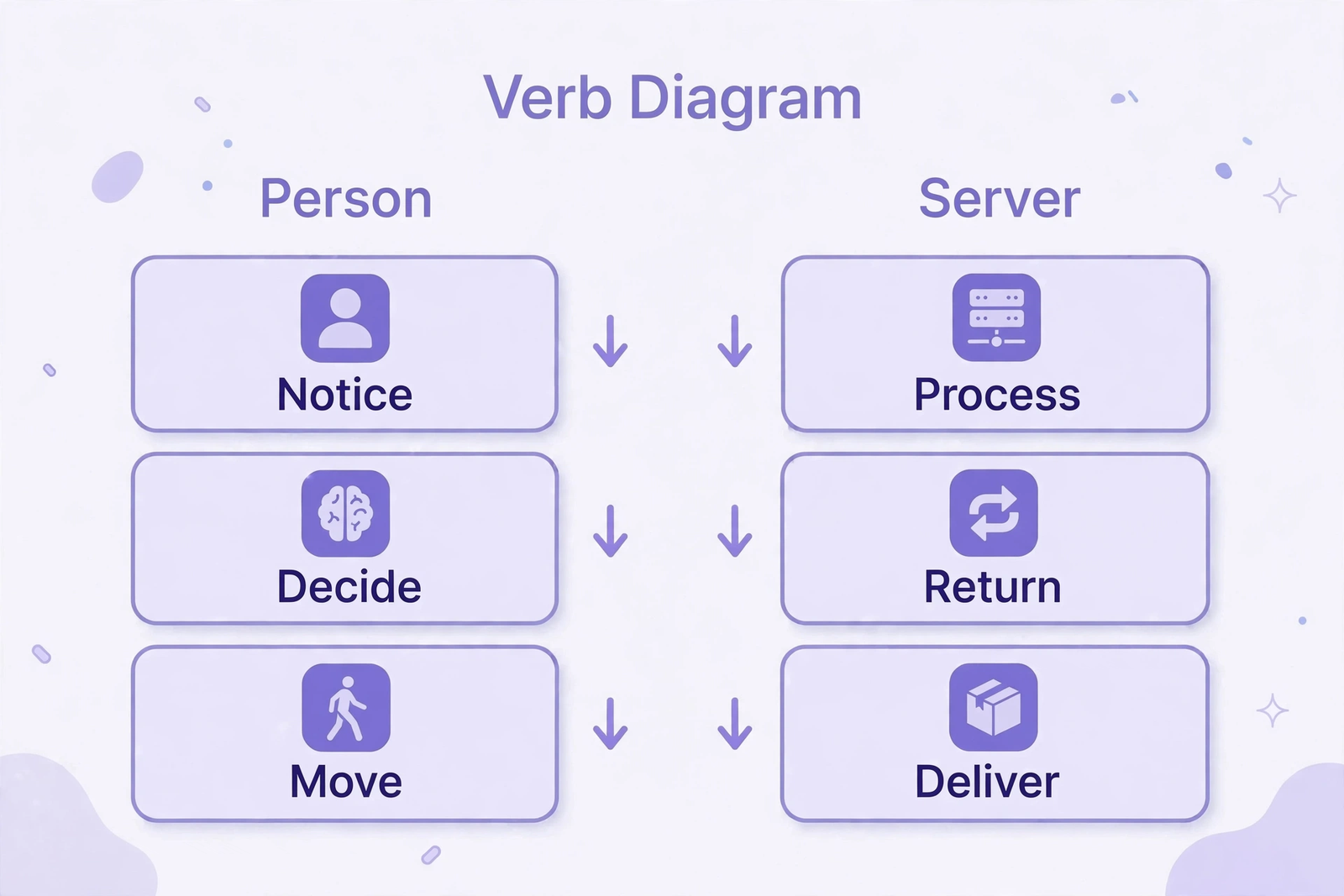
The verb that surrounds the term can also reveal the intended subject of a passage. Human passages often use verbs such as notice, decide, and move to describe the steps involved. System passages often use verbs such as process, return, and deliver to describe the steps instead.
Verb choice works as a context clue, because verbs belong to the actor doing the work. A sentence about noticing a light cannot describe a server, because servers do not notice. A sentence about returning data cannot describe a person, because people do not return data.
Questions from readers provide further context, because the thing asked about names the subject. A question about clicking after a colour change points toward a person as the answerer. A question about a page loading after a tap points toward a system doing the answering work.
How a Person and a Device Wait Differently
A person waits with attention, memory, and muscles all involved in the same brief moment. A device waits with queues, processing steps, and data loading that follow a fixed order. Those waiting styles differ so much that comparing them directly rarely makes sense.
Human waiting can change with focus, tiredness, and comfort in the surrounding room. Device waiting can change with load, connection quality, and work already in the queue. Advice that fits one kind of waiting will therefore miss the cause of the other kind.
A slow person may need rest, focus, or practice, depending on the situation at hand. A slow device may need lighter data, fewer requests, or a stronger connection instead. Seeing that contrast helps readers choose advice that matches their real problem.
How Mixed Results Shape What Readers Believe
Repeated mixed results can blur the boundary between human and system meanings over time. Readers may begin to treat the terms as interchangeable, even when specialists keep them apart. That drift matters, because advice built on the wrong subject rarely solves the real problem.
Search tools gather pages that mention either phrase, especially when language stays loose. A reader testing response time for a website may still see human test pages in results. Likewise, a response time test page may rank beside articles about people answering signals.
Writers can slow that drift by naming the actor in titles, headings, and opening lines. Editors can slow it further by checking every term against the subject of its sentence. Readers can help themselves by pausing at the opening lines before trusting any advice.
Choosing the Right Term for Your Question
Name the Answering Subject First
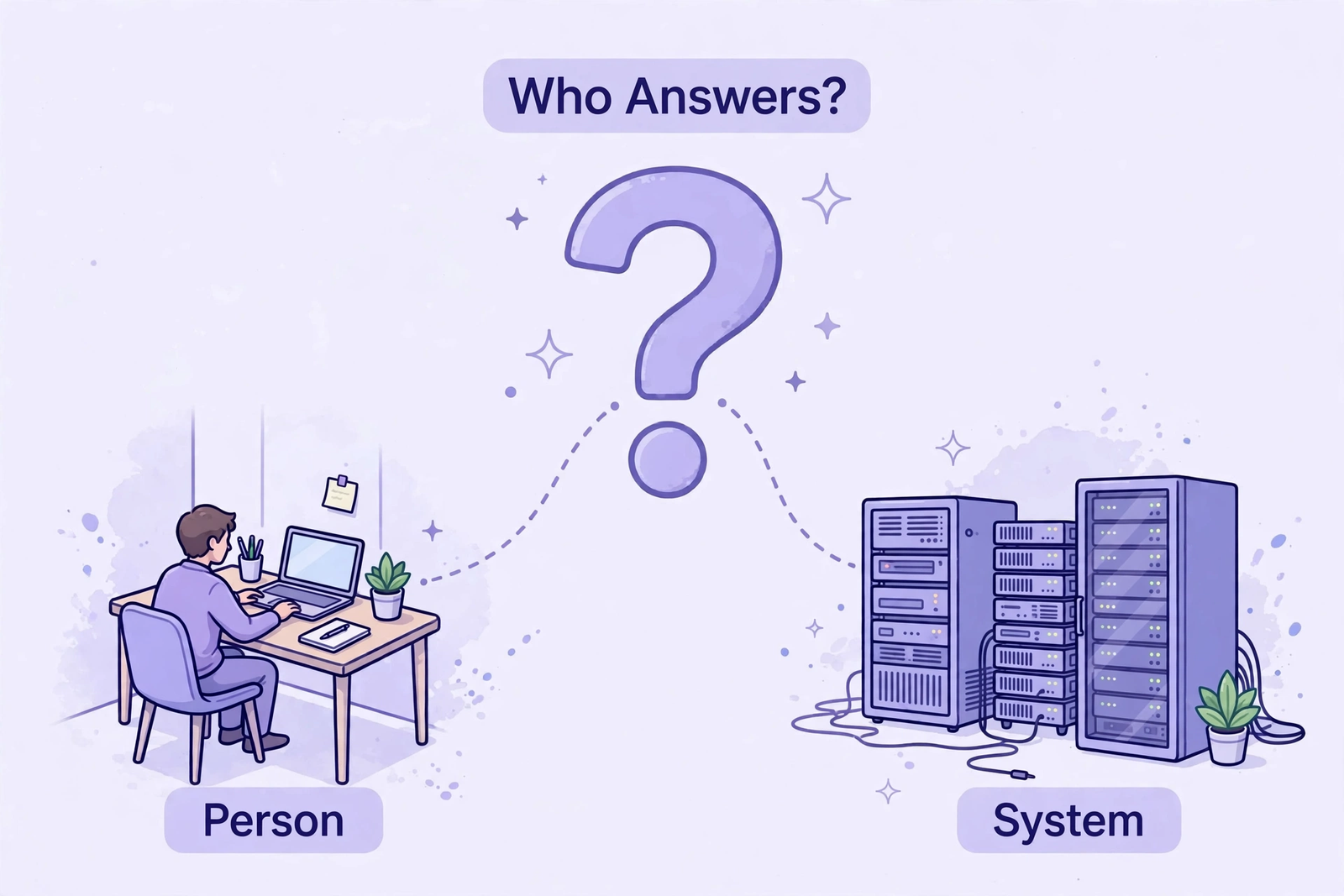
Start by naming the thing that answers, whether it is a person or a system. If a person answers by noticing and moving, the human term fits your question. If a system answers by processing and delivering, the system term fits instead.
Next, check the verbs around your question, because verbs often reveal the actor. Notice, decide, and move point toward a person doing the answering work. Process, return, and deliver point toward a system doing the answering work instead.
System response time fits questions about servers, pages, and devices answering requests. Human reaction time fits questions about people noticing signals and moving in answer. Matching the term to the actor keeps a response time question clear from the start.
Test Your Sentence by Swapping the Actor
Finally, test your sentence by swapping the actor and seeing whether it still makes sense. A sentence about a server noticing a light will usually sound wrong at once. A sentence about a person processing a request may sound technical rather than human.
A simple habit helps writers keep the two terms apart in every paragraph they produce. Before using either term, pause and ask who or what is actually doing the answering there. If a person is answering, the human term fits the sentence naturally and clearly.
This habit also helps readers who arrive from search with only a vague question in mind. A clear subject in the opening lines tells them at once whether the article matches their interest. They can then stay with a useful article or move on without wasting time on the wrong topic.
Frequently Asked Questions
How can I tell whether an article is about human reaction or system response?
Check the opening lines for the actor, whether a person or a named system answers. Human articles mention signals, attention, and movement, while system articles mention requests and loading. If the verbs point to noticing and moving, the article concerns human reaction time.
Why do search results show both terms for one question about speed?
Search tools gather pages that mention either phrase, especially when language stays loose. Many readers ask about speed without knowing which term specialists would prefer for it. Writers also borrow popular phrases, so passing mentions can pull mixed pages into results.
Does response time ever describe a person in careful writing?
In careful writing, the system term usually describes a machine, not a person answering. A person answering by noticing and moving fits the human term more naturally and clearly. If a passage uses the system term for a person, check whether the actor was misnamed.
Can one article discuss both human reaction and system response fairly?
Yes, one article can discuss both, provided each sentence names its own actor clearly. Clear headings help, because they separate human passages from system passages for readers. Without that separation, readers may apply system advice to human questions by mistake.
What should I check first when advice about speed seems unclear?
First, ask who or what is doing the answering in the advice you are reading. Then check whether the suggested fix fits that actor, person or system, in practice. If the fix fits a different actor, look for advice written for your own subject.
Reaction belongs to the person who notices, decides, and moves, while system answering belongs to the technology that processes input. Search results mix the two because everyday language is loose and both ideas involve waiting for an answer. Naming the actor in each sentence keeps the distinction clear and the advice relevant to the reader.